

Taxes · 11 min read · Reviewed October 2026
Tax Diversification: Why Retirees Want Pre-Tax, Roth and Tax-Free Buckets
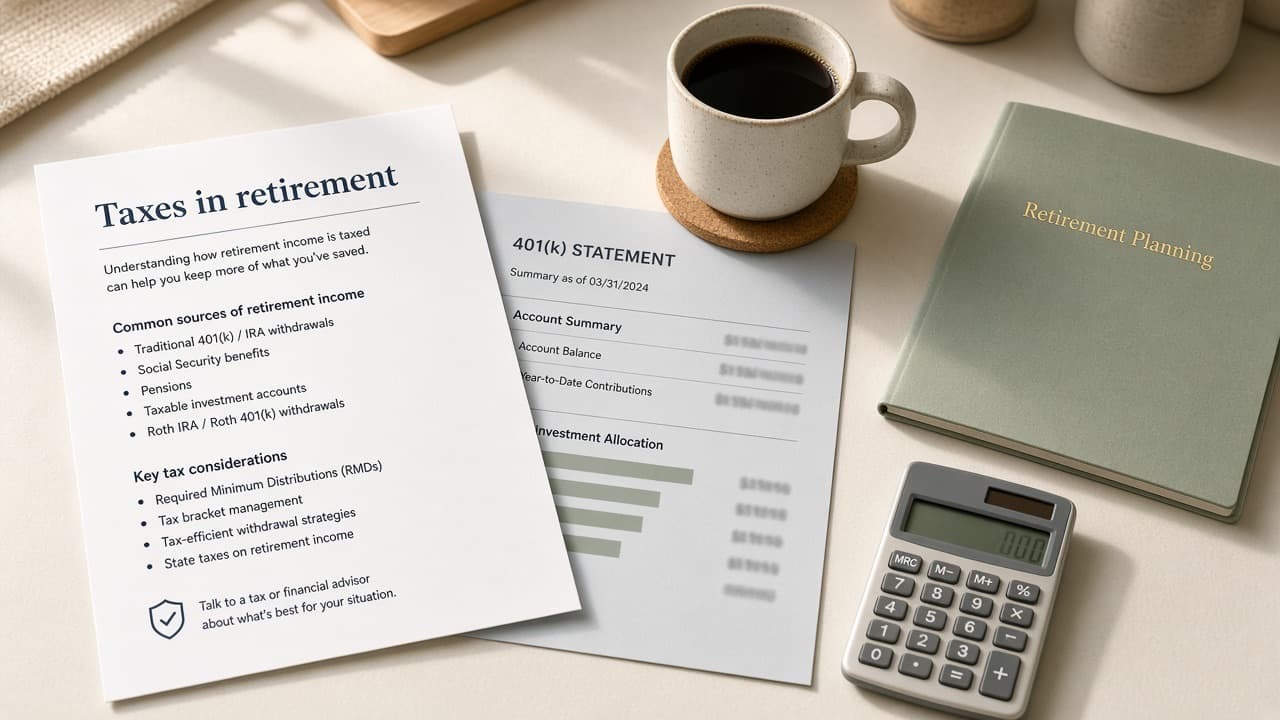
Retirement planning is not only about how much money you save. It is also about how that money will be taxed when you need it. Two retirees with similar account balances can have very different after-tax income depending on where their savings are held and how they withdraw them.
That is why tax diversification retirement planning matters. Instead of relying on only one type of retirement account, people may build savings across pre-tax, Roth, and other tax-advantaged assets. This can create more flexibility when tax laws, income needs, and personal circumstances change.
What Is Tax Diversification?
Tax diversification means spreading retirement savings across accounts that receive different tax treatment.
The idea is simple: you cannot know exactly what your tax rate will be throughout retirement.
Your income, tax laws, deductions, healthcare costs, and withdrawal needs may change.
Holding different types of accounts can give you more choices about where to take money from.
The three commonly discussed retirement tax buckets are:
1. Pre-tax accounts 2. Roth accounts 3. Taxable or other tax-advantaged assets, including qualifying life insurance cash value Each bucket has different contribution, withdrawal, and tax rules.
1. The Pre-Tax Bucket: Tax Benefits Today, Taxable Withdrawals Later
Traditional 401(k)s, traditional IRAs, SEP IRAs, and many employer-sponsored retirement plans may allow eligible contributions to receive a tax deduction or be made before income taxes are calculated.
The potential advantage is that you may reduce taxable income today while saving for retirement.
However, withdrawals from traditional retirement accounts are generally taxable as ordinary income, except for any portion representing after-tax basis. Required minimum distributions may also apply to many traditional accounts once you reach the applicable age.
Example: Suppose you contribute $10,000 to an eligible traditional retirement plan. Depending on your circumstances, that contribution may reduce your current taxable income. When you withdraw the money later, the taxable portion is generally included in your income.
This bucket can be useful for people who want a potential current-year tax benefit and expect to manage withdrawals over time.
2. The Roth Bucket: Pay Taxes Now for Potentially Tax-Free Qualified Withdrawals
Frequently asked questions
This article is for education only and isn’t tax, legal or investment advice. Talk with a licensed agent and a tax professional about your own situation.